





Producto
masaje
Carbonato de calcio
Parámetros del Producto
Propiedades Básicas
I. Propiedades físicas
Apariencia y morfología
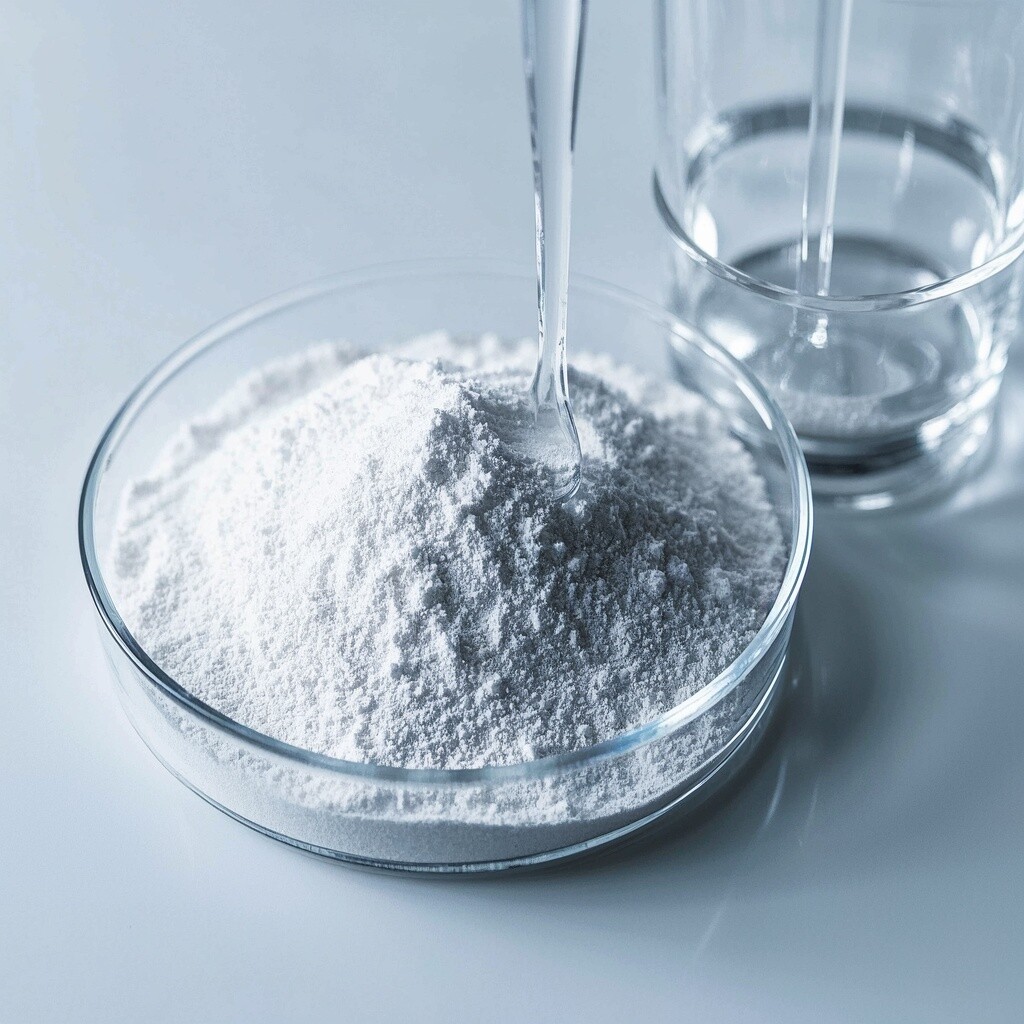
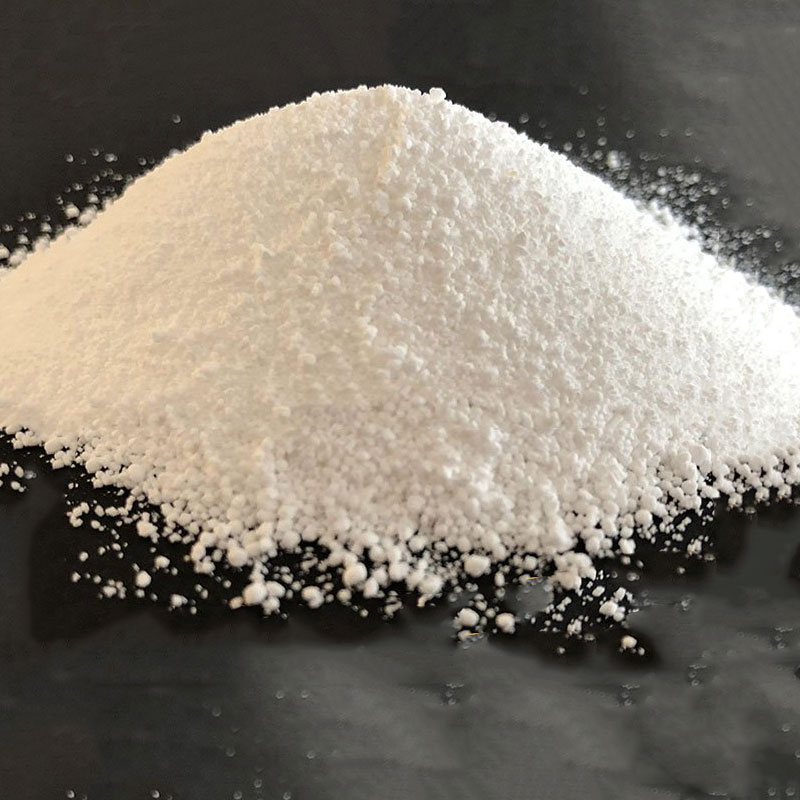
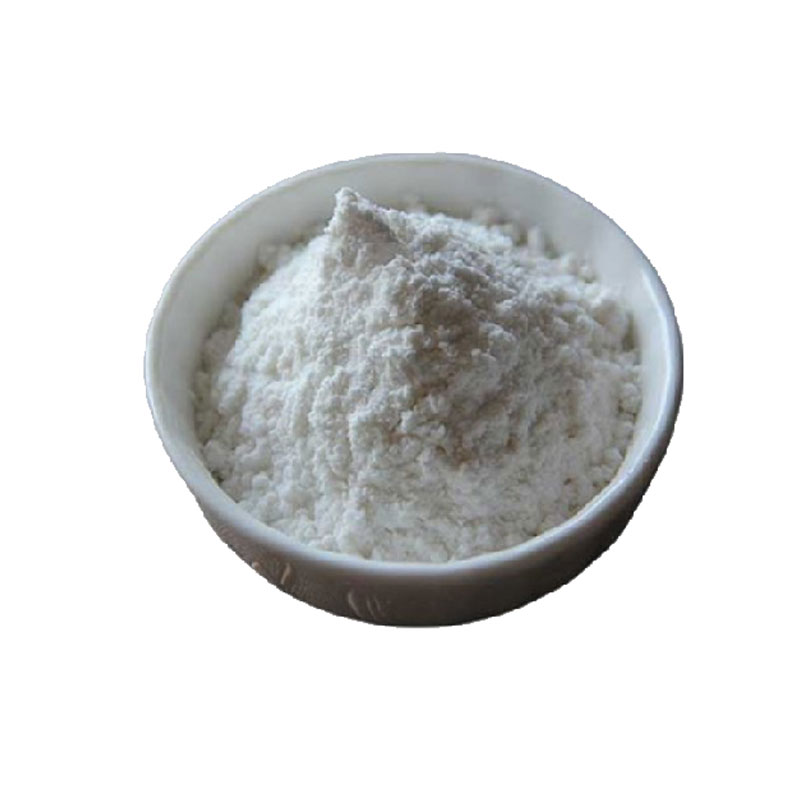
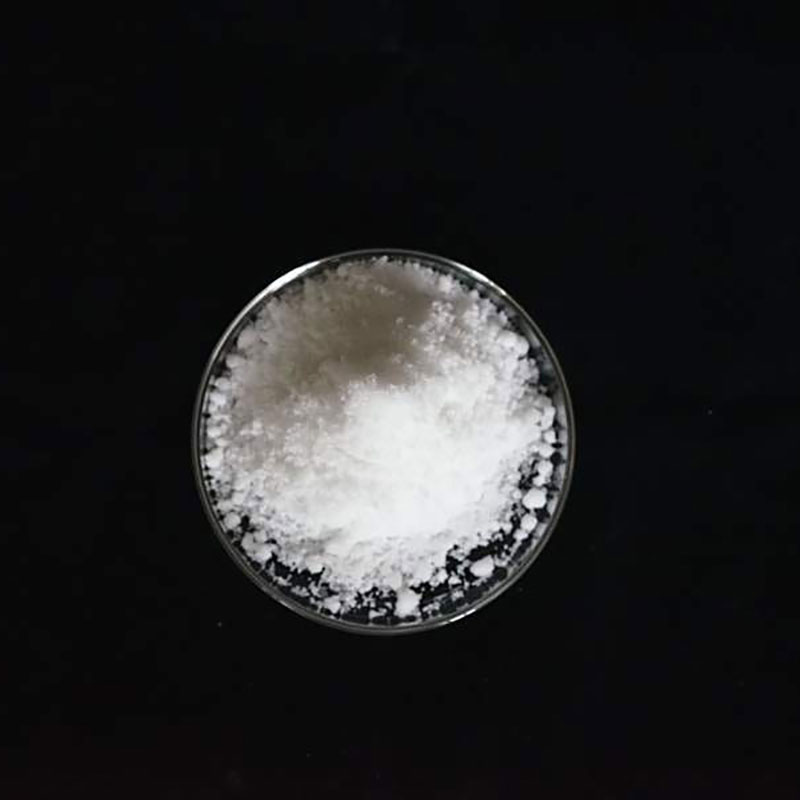
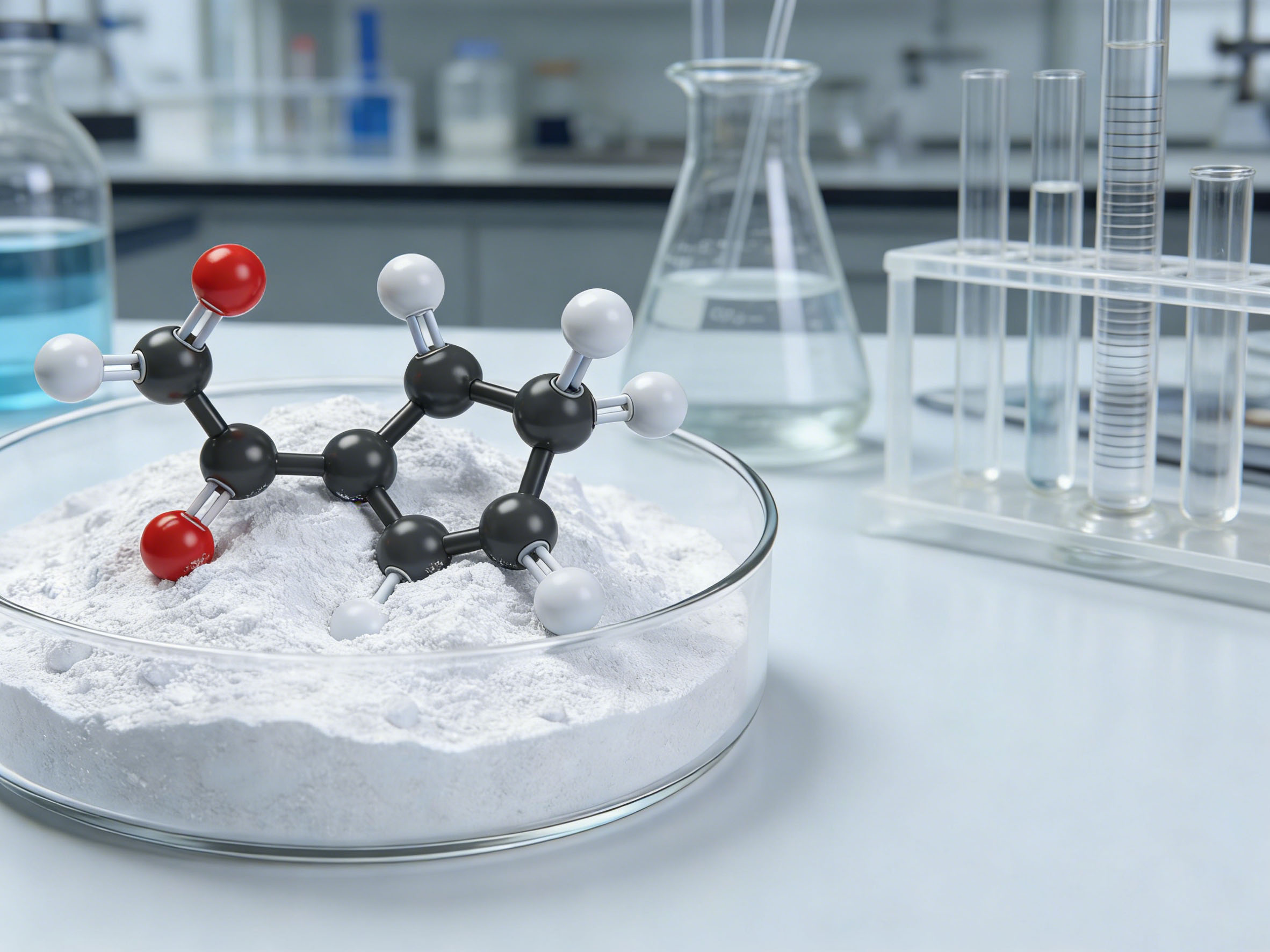
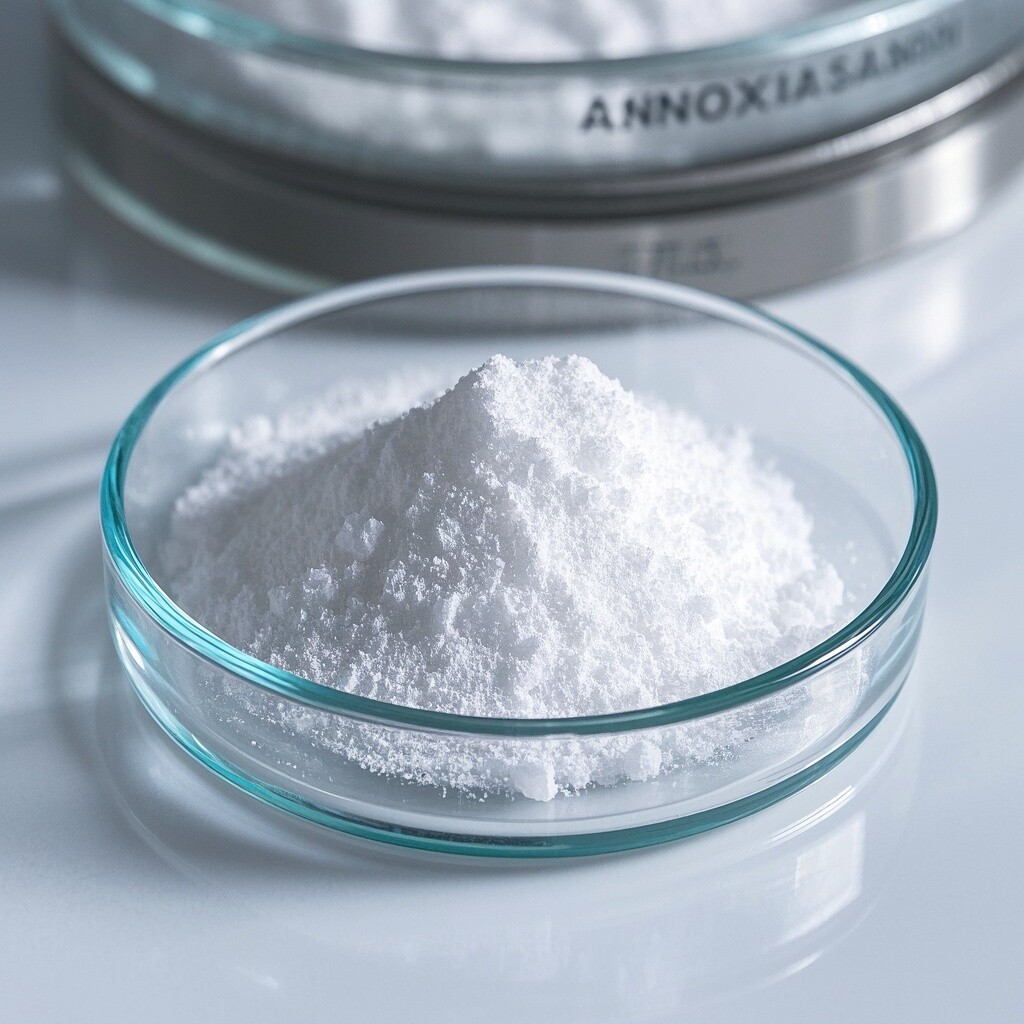
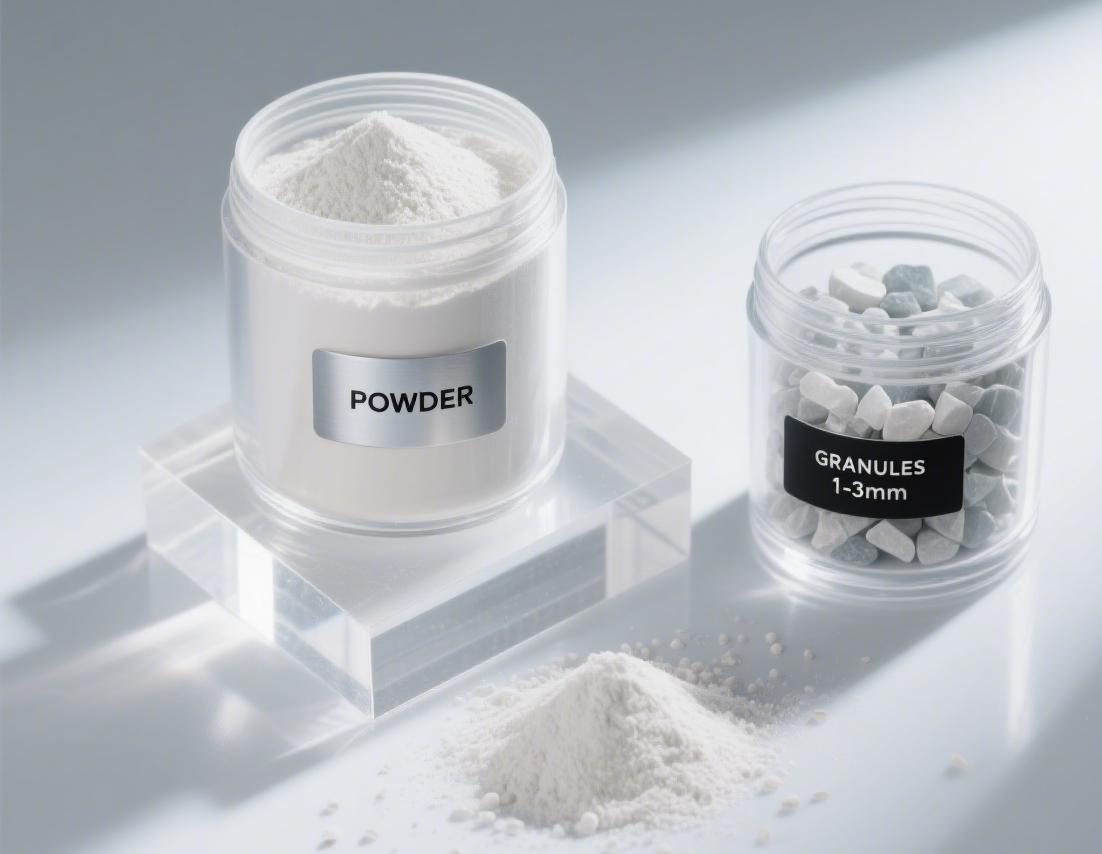
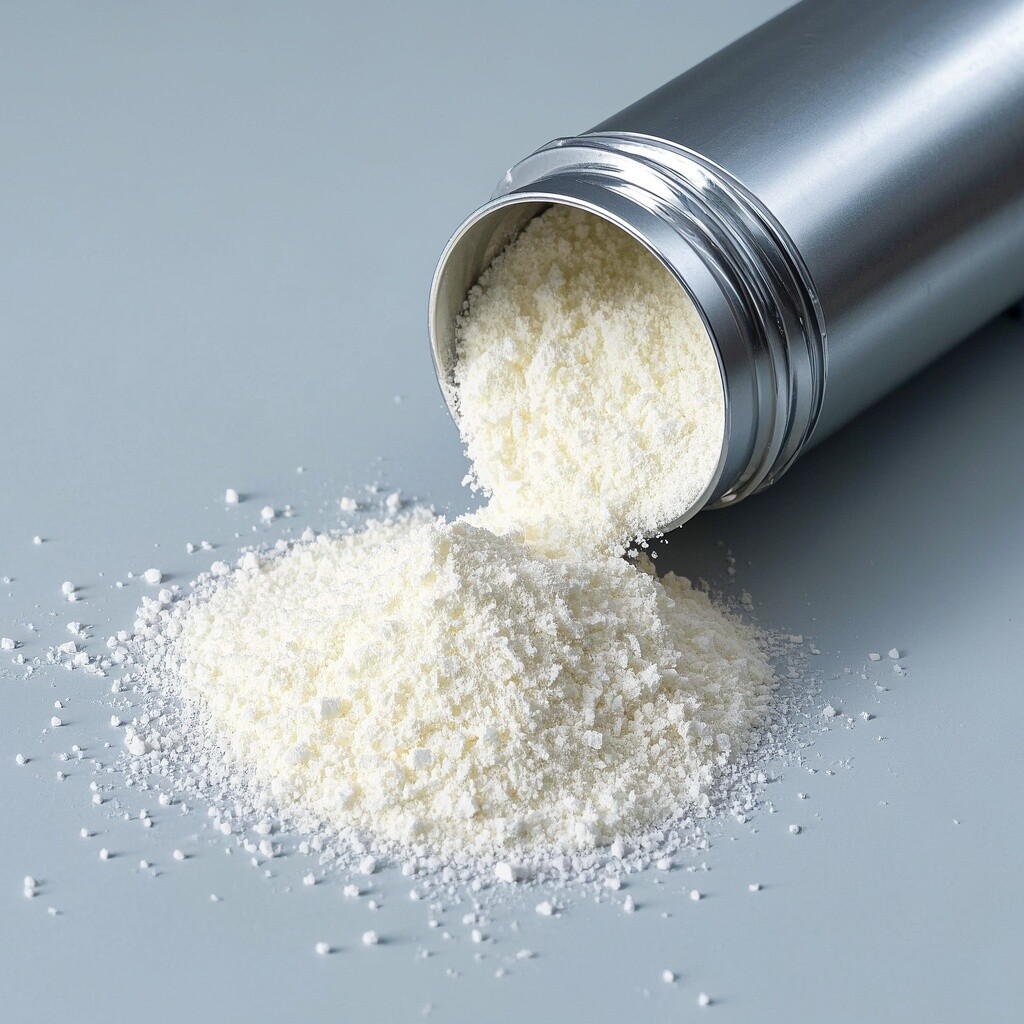
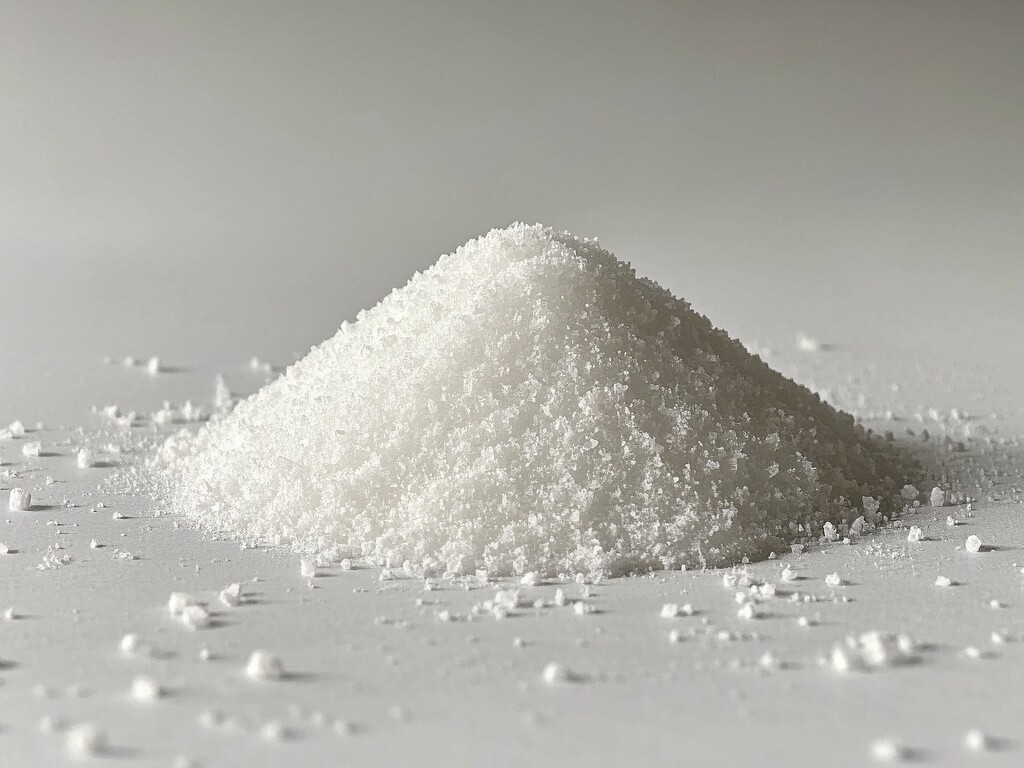
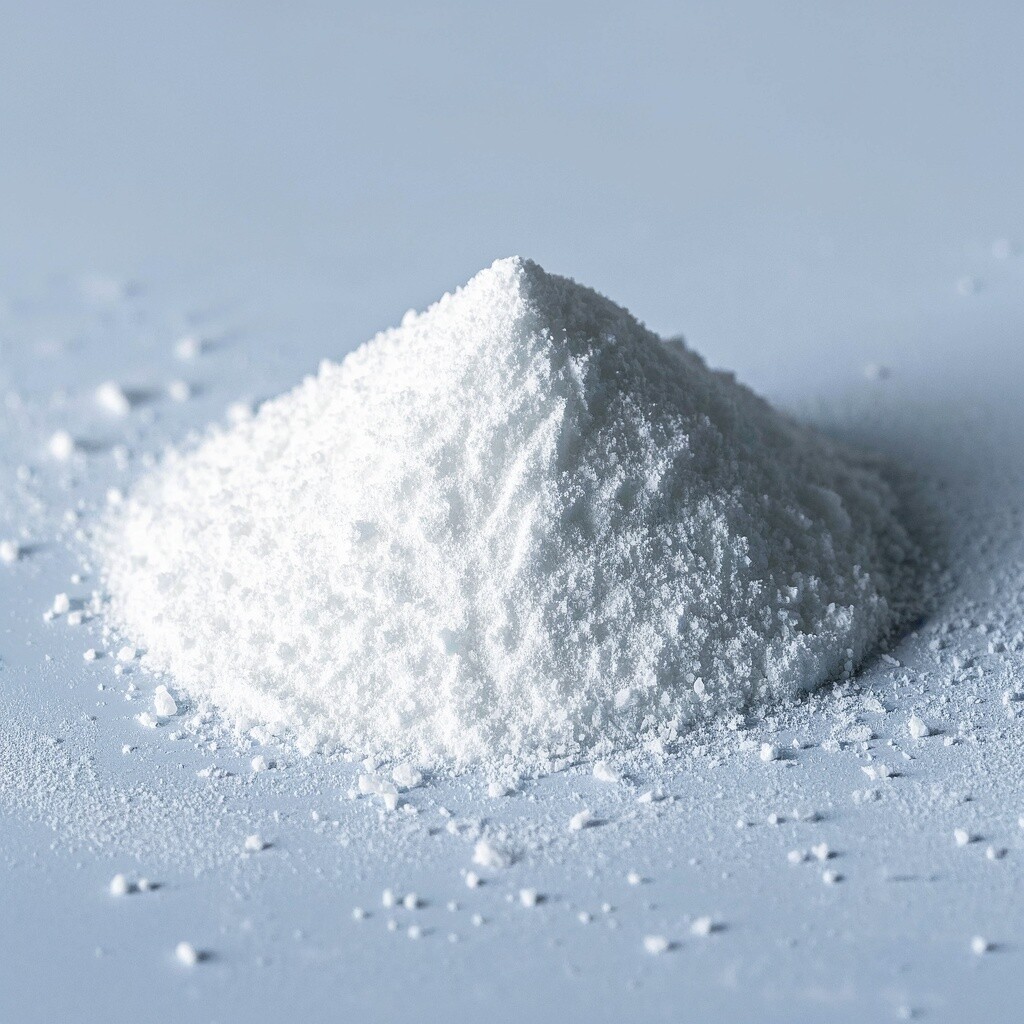
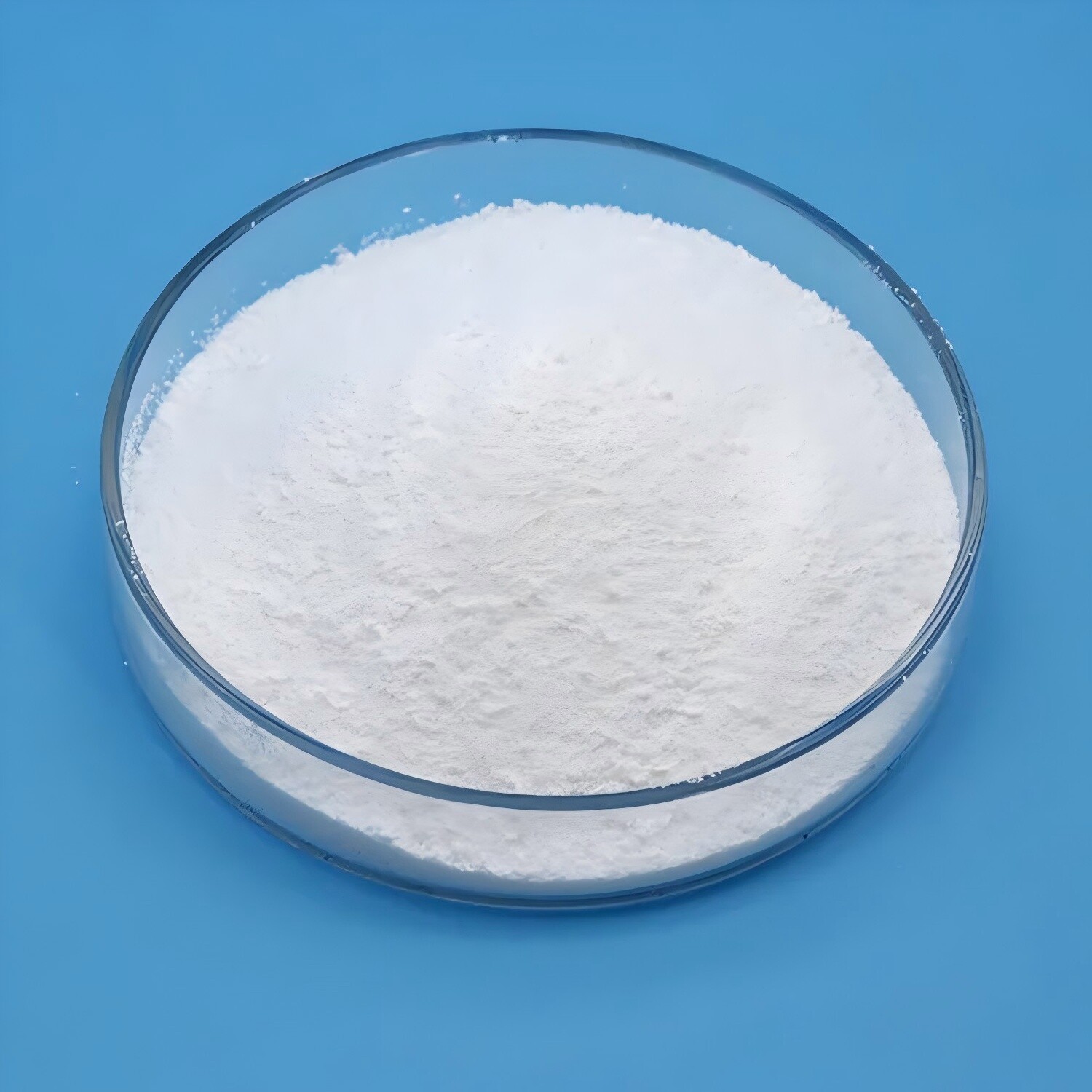
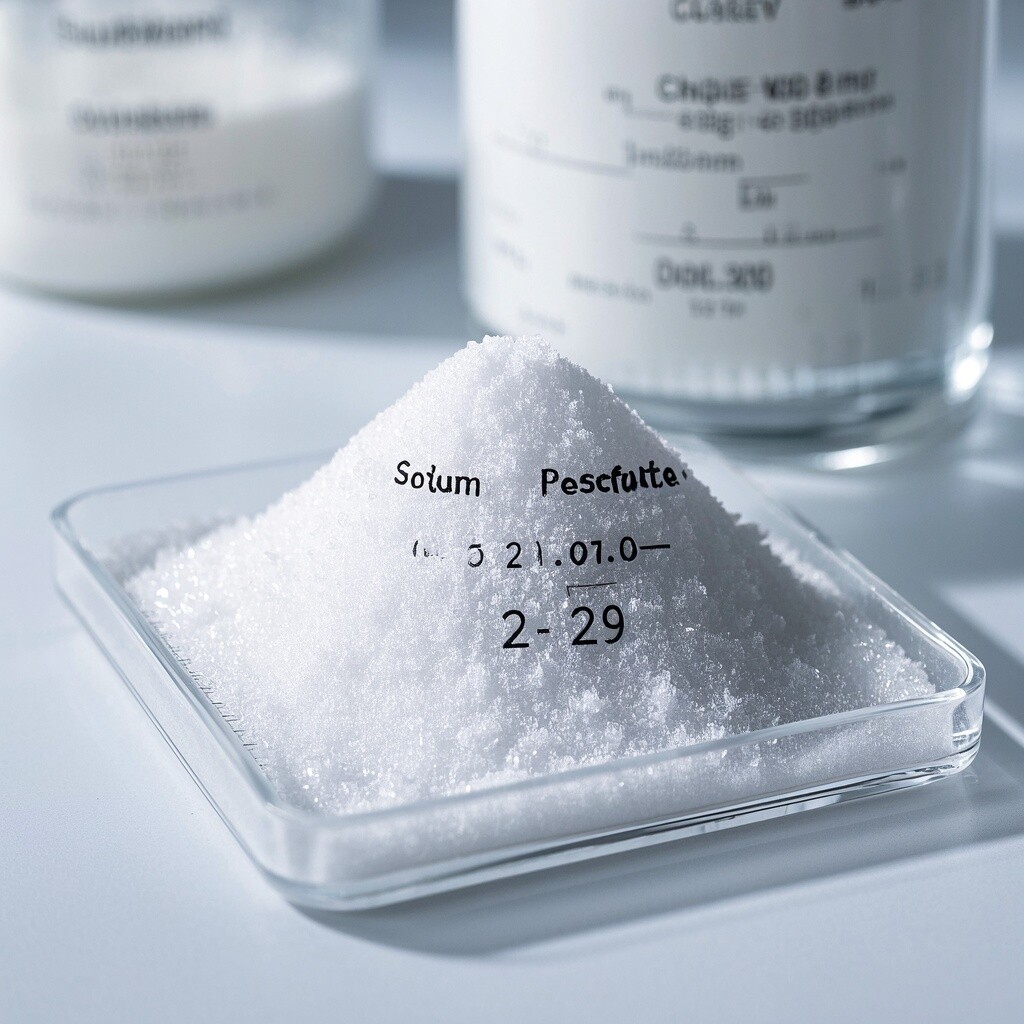
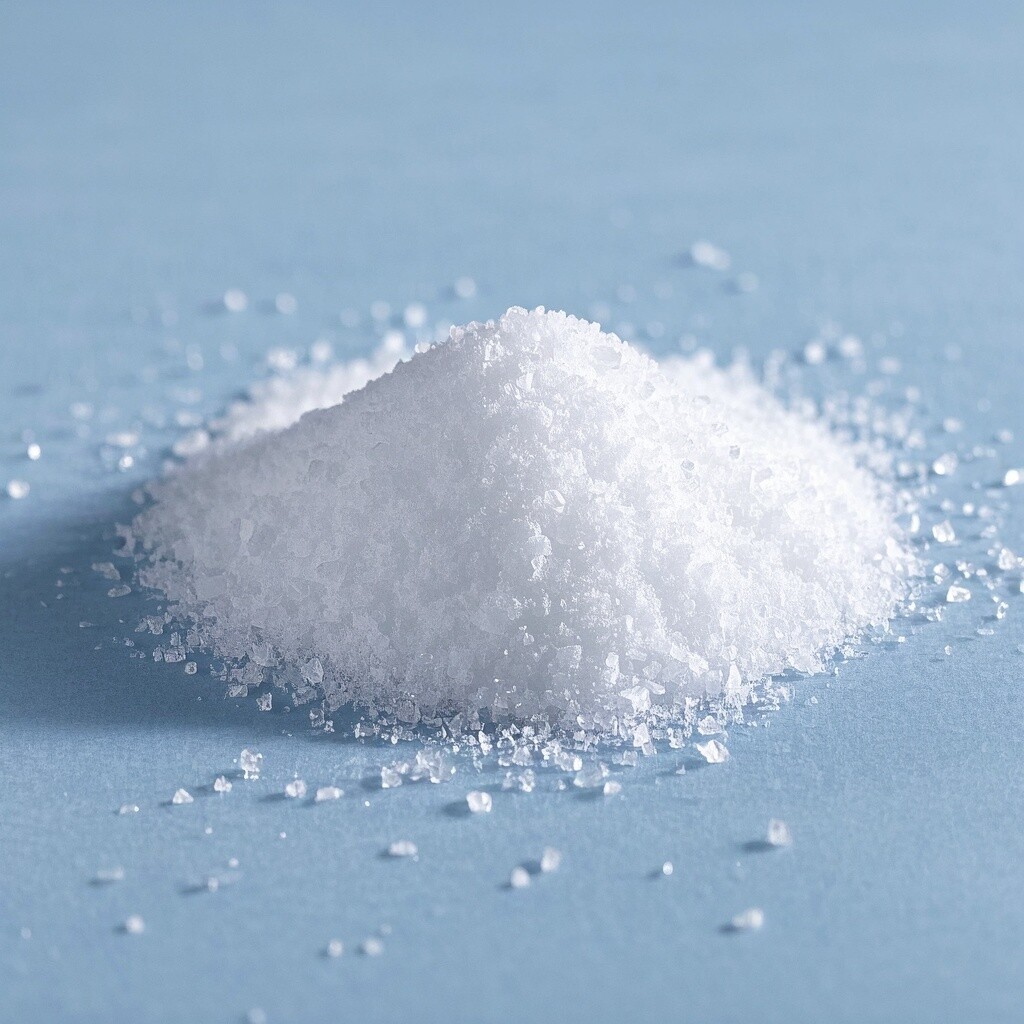
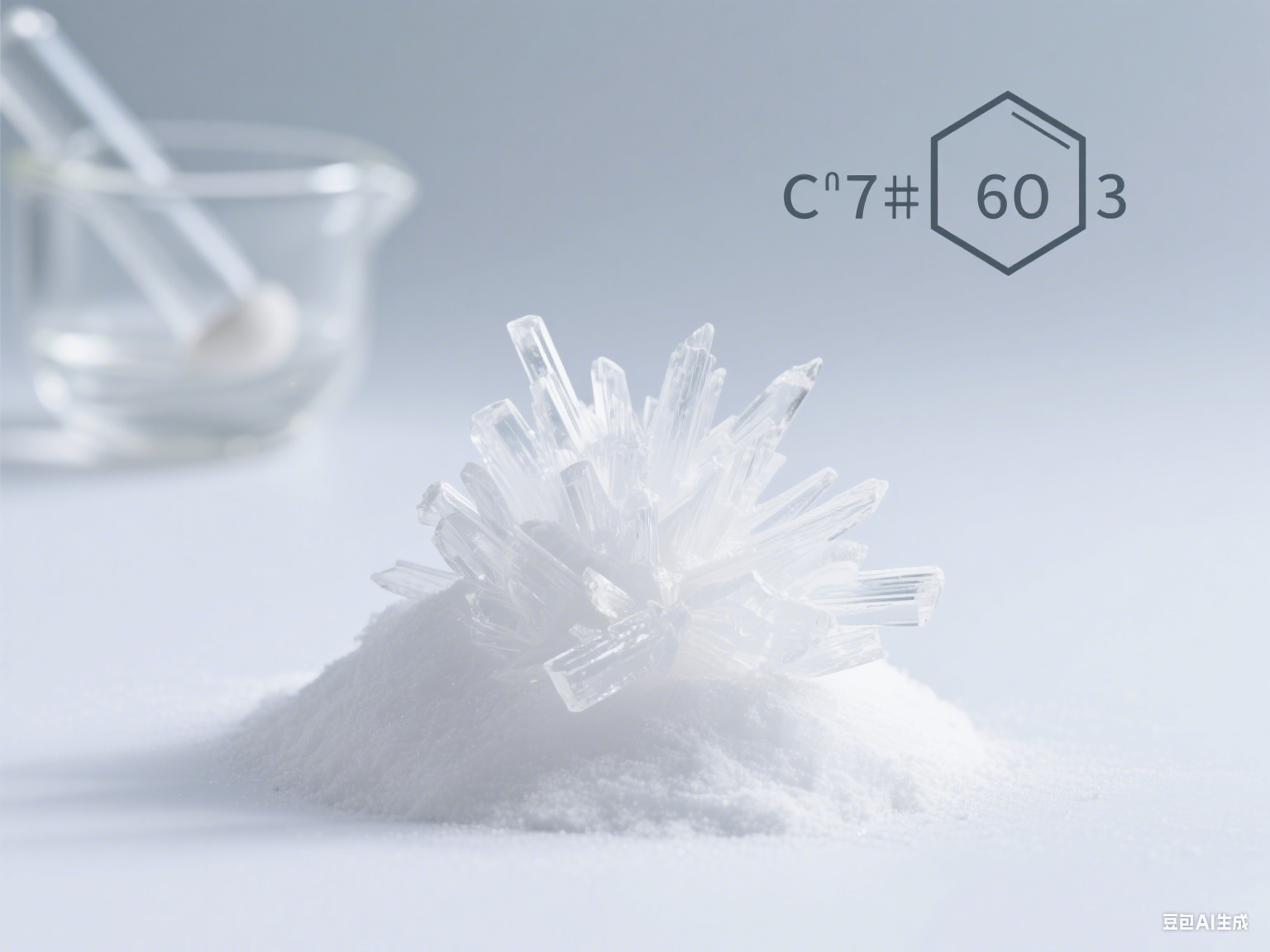
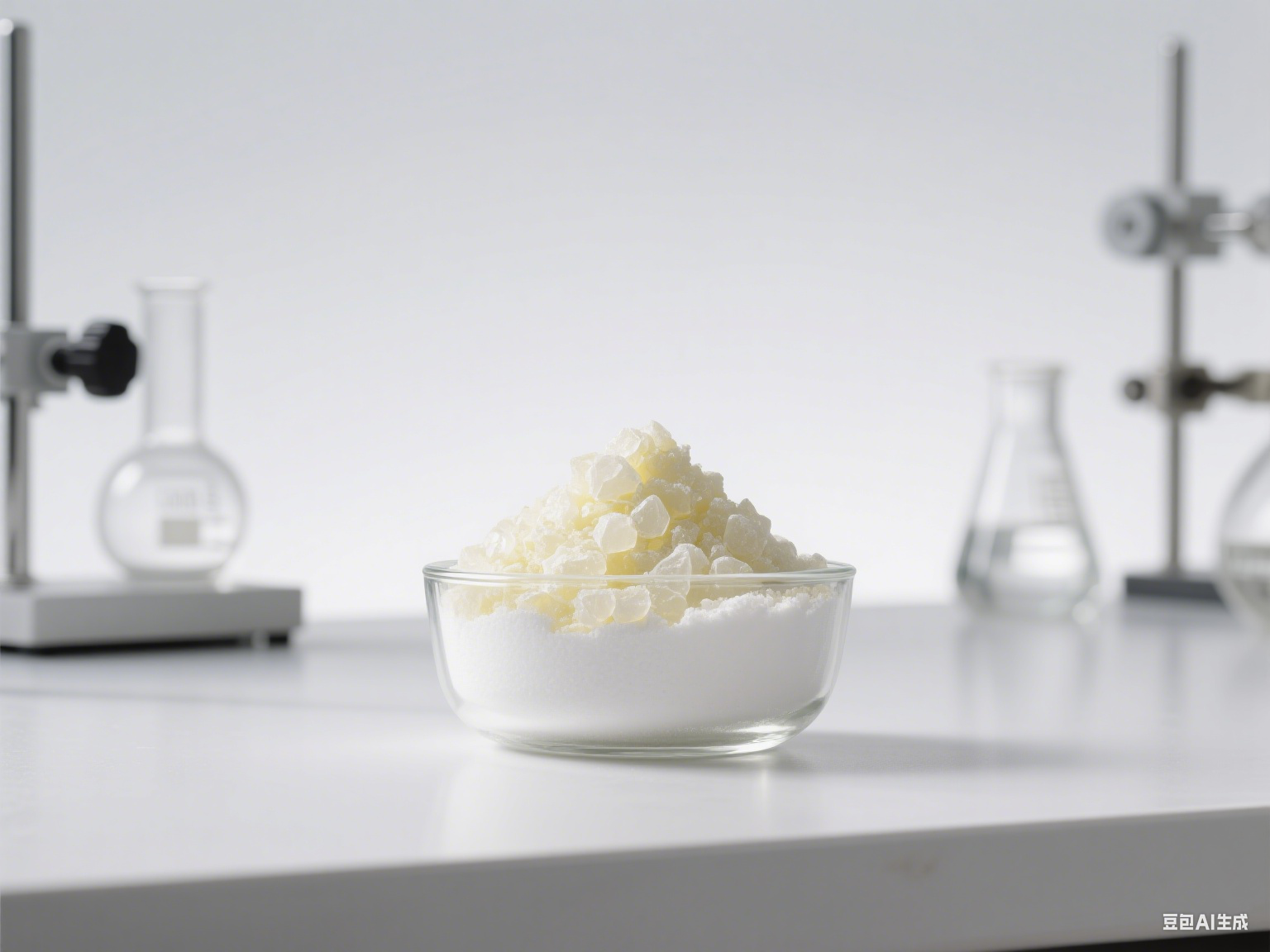
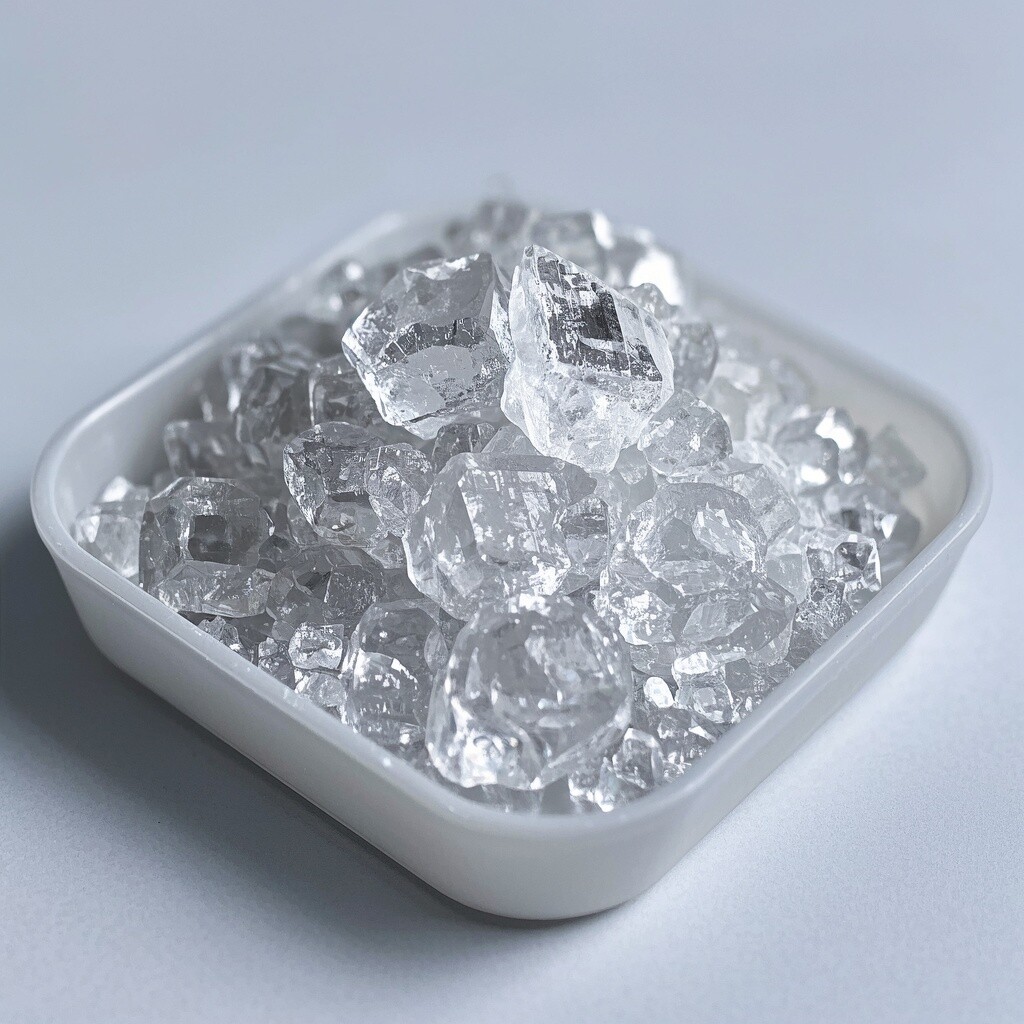
El carbonato de calcio es un polvo blanco e inodoro o un sólido cristalino a temperatura ambiente. En su forma mineral natural (como el mármol), aparece como cristales en bloque blancos o multicolores con cierto brillo. El carbonato de calcio ligero producido industrialmente es un polvo suelto, mientras que el carbonato de calcio pesado es un polvo finamente molido; los dos difieren en el tamaño de partícula y la densidad aparente.
Solubilidad
El carbonato de calcio es poco soluble, con una solubilidad extremadamente baja en agua pura, aproximadamente 0.0014 g/100 mL a 20°C. Sin embargo, es soluble en soluciones ácidas (como el ácido clorhídrico y el ácido acético), liberando gas dióxido de carbono al disolverse. Esta característica es un método importante para identificar el carbonato de calcio.
Densidad y dureza
La densidad del carbonato de calcio varía según la forma cristalina y el proceso de preparación: el carbonato de calcio pesado tiene una densidad de aproximadamente 2.6~2.9 g/cm³, mientras que el carbonato de calcio ligero tiene una densidad de aproximadamente 2.4~2.6 g/cm³. Su dureza Mohs es 3, lo que indica una textura relativamente blanda; puede ser rayado ligeramente con una uña. Los cristales naturales de calcita tienen tres conjuntos de planos de exfoliación perfectos.
Estabilidad e higroscopicidad
El carbonato de calcio es estable en condiciones secas a temperatura ambiente, no es higroscópico y no se apelmaza fácilmente. Sin embargo, la exposición prolongada a ambientes húmedos, especialmente en presencia de gases ácidos (como el dióxido de carbono y el dióxido de azufre), puede causar una reacción lenta.
II. Propiedades químicas
Reacción con ácidos
El carbonato de calcio puede sufrir una reacción de doble desplazamiento con ácidos fuertes, produciendo sales de calcio solubles, agua y dióxido de carbono.Esta reacción se utiliza comúnmente en la producción de dióxido de carbono en laboratorios y en el tratamiento industrial de aguas residuales ácidas.
Reacción de descomposición térmica
El carbonato de calcio es inestable cuando se calienta. En condiciones de alta temperatura (aproximadamente 825°C), se descompone en óxido de calcio (cal viva) y dióxido de carbono. Esta es la reacción central en la producción industrial de cal viva a partir de piedra caliza.
Reacción con dióxido de carbono
En presencia de agua, la introducción de exceso de dióxido de carbono en el carbonato de calcio produce bicarbonato de calcio soluble en agua. Esta reacción es el principio químico detrás de la formación de cuevas y estalactitas en la naturaleza. Por el contrario, cuando una solución de bicarbonato de calcio se calienta o se despresuriza, se descompone y vuelve a formar precipitado de carbonato de calcio.
No reductor y débilmente alcalino
El carbonato de calcio tiene propiedades químicas suaves y no tiene propiedades reductoras. Su suspensión es débilmente alcalina y puede usarse para ajustar el pH del agua o del suelo, pero su alcalinidad es mucho más débil que la del hidróxido de calcio.
Aplicaciones Principales
I. Industria de materiales de construcción
Producción de cemento y hormigón
El carbonato de calcio es una materia prima clave para el clínker de cemento. Después de la calcinación a alta temperatura, produce óxido de calcio, que participa en la reacción de hidratación del cemento. También puede usarse como relleno en el hormigón, mejorando su resistencia, resistencia al desgaste y durabilidad, mientras reduce los costos de producción.
Materiales para paredes y materiales decorativos
Se utiliza en la producción de paneles de yeso, paneles divisorios ligeros, azulejos y paneles de simulación de mármol, mejorando la formabilidad, blancura y resistencia a la compresión del material. También puede usarse como relleno en pinturas y masillas, mejorando el poder cubriente y la adherencia del revestimiento, y mejorando la suavidad de la superficie de la pared.
Ingeniería vial
Como relleno para capas base de carreteras, se mezcla con asfalto para formar mezclas asfálticas, mejorando la resistencia a la compresión y las propiedades anti-envejecimiento de la superficie de la carretera. Adecuado para pavimentar autopistas y carreteras municipales.
II. Industria de plásticos y caucho
Relleno modificado de plásticos
Uno de los rellenos inorgánicos más utilizados en la industria del plástico, puede usarse en plásticos de uso general como polietileno (PE), polipropileno (PP) y cloruro de polivinilo (PVC), así como en plásticos de ingeniería como ABS y nailon. La adición de carbonato de calcio puede mejorar la rigidez, resistencia al calor y estabilidad dimensional de los plásticos, mientras reduce los costos de materias primas. El carbonato de calcio nano también puede mejorar la tenacidad y resistencia al impacto de los plásticos, y se utiliza en la producción de piezas automotrices, carcasas de electrodomésticos y tuberías.
Agente reforzante de caucho
En productos de caucho, el carbonato de calcio puede usarse como relleno reforzante y expansor para mejorar la resistencia a la tracción, resistencia al desgarro y resistencia a la abrasión del caucho, y mejorar el rendimiento de procesamiento. Se utiliza ampliamente en la producción de neumáticos, sellos de caucho, correas transportadoras, suelas de zapatos, etc. El carbonato de calcio activado (modificado en superficie) tiene mejor compatibilidad con el caucho y un efecto reforzante superior.
III. Industria del papel
Relleno de papel
Se utiliza en la producción de diversos tipos de papel, como papel cultural, papel de embalaje y papel higiénico, la adición de carbonato de calcio puede mejorar la blancura, opacidad, suavidad y capacidad de impresión del papel, reducir la cantidad de materias primas fibrosas utilizadas y reducir los costos de producción de papel. El carbonato de calcio pesado se utiliza principalmente en papel de bajo gramaje, mientras que el carbonato de calcio ligero es adecuado para papel de gama media a alta.
Recubrimientos de papel
Como pigmentos para papel estucado, el carbonato de calcio se mezcla con adhesivos y aditivos para formar recubrimientos. Aplicado a la superficie del papel, mejora el brillo, suavidad y absorción de tinta del papel, y se utiliza en la producción de papeles de impresión de alta gama como papel estucado y papel estucado ligero.
IV. Industria de revestimientos y tintas
Rellenos y pigmentos de revestimientos
En pinturas al látex, revestimientos al agua y revestimientos al aceite, el carbonato de calcio puede usarse como pigmento extensor para mejorar el poder cubriente, resistencia a la intemperie y resistencia al lavado del revestimiento, mientras reduce el costo de formulación del revestimiento. Algunos carbonatos de calcio de alta blancura pueden reemplazar el dióxido de titanio, reduciendo la cantidad de pigmentos costosos utilizados.
Rellenos de tinta
Se utiliza en la producción de tintas de impresión offset y tintas de huecograbado, mejora la fluidez, estabilidad y fuerza de coloración de la tinta, y mejora la claridad de los materiales impresos. Es adecuado para la impresión de embalajes, impresión de libros y otros campos.
V. Industrias alimentaria, farmacéutica y de productos químicos diarios
1. Aditivos alimentarios
Como carbonato de calcio de grado alimenticio, puede usarse como fortificante de calcio, añadido a productos lácteos, galletas, pan, bebidas y otros alimentos para complementar las necesidades de calcio del cuerpo. También puede usarse como regulador de acidez y antiaglomerante en la producción de leche en polvo, condimentos y caramelos.
2. Industria farmacéutica
- Como materia prima para suplementos de calcio, se utiliza en la producción de tabletas de carbonato de calcio, gránulos de carbonato de calcio D3 y otros medicamentos, adecuados para la prevención y tratamiento de la deficiencia de calcio.
- Como excipiente farmacéutico, puede usarse como relleno y desintegrante en tabletas, mejorando la formabilidad y solubilidad de los medicamentos.
3. Industria de productos químicos diarios
Se utiliza en la producción de pasta de dientes como abrasivo, limpia eficazmente la placa y las manchas de la superficie dental sin dañar el esmalte dental. También puede usarse en cosméticos como materia prima en polvo para ajustar la sensación y cobertura del producto.
VI. Protección ambiental y otros campos
1. Gestión ambiental
Se utiliza para tratar aguas residuales ácidas, reduce el valor de pH del agua residual mediante una reacción de neutralización; también puede usarse como agente desulfurizante en sistemas de desulfuración de gases de combustión de centrales eléctricas de carbón y plantas siderúrgicas, reaccionando con dióxido de azufre para producir sulfato de calcio, reduciendo las emisiones de gases nocivos.
2. Industria de piensos
Como carbonato de calcio de grado para piensos, es un suplemento de calcio para ganado, aves de corral y animales de acuicultura, promoviendo el desarrollo óseo, la formación de cáscaras de huevo y mejorando las tasas de supervivencia.
Precauciones de Seguridad
I. Precauciones de salud y seguridad
Protección del contacto con la piel
El carbonato de calcio es un polvo blanco y no es corrosivo en sí mismo. Sin embargo, el contacto prolongado o repetido puede absorber los aceites de la superficie de la piel, provocando sequedad y descamación. Se recomienda usar guantes de algodón o nitrilo y ropa de trabajo de manga larga durante la manipulación para evitar la exposición prolongada de la piel. Si ocurre contacto accidental, simplemente enjuague con agua; no se necesita tratamiento especial. Si ocurre picazón, aplique una loción humectante suave para aliviar.
Protección ocular
Si el polvo de carbonato de calcio salpica los ojos, puede irritar la conjuntiva, causando molestias como sensación de cuerpo extraño y lagrimeo, pero no causará daños graves. Use gafas de protección resistentes a impactos durante la operación, especialmente durante procesos polvorientos como trituración, cribado y alimentación. Si ocurre contacto ocular, levante inmediatamente los párpados y enjuague con abundante agua corriente durante 1-2 minutos. Las molestias deberían disminuir por sí solas después de frotar. Si las molestias persisten, busque atención médica de inmediato.
Protección respiratoria
La inhalación de polvo de carbonato de calcio puede hacer que se deposite en la mucosa nasal y faríngea, provocando síntomas como sequedad de garganta y tos. La inhalación a largo plazo y en grandes volúmenes puede causar inflamación respiratoria leve. Las operaciones deben realizarse en áreas bien ventiladas o con equipos de extracción local activados. Cuando los niveles de polvo sean altos, use una mascarilla antipolvo KN90 o de nivel superior. Enjuáguese la boca y limpie la cavidad nasal después del trabajo para reducir los residuos de polvo.
Protección contra la ingestión
El carbonato de calcio es bajo en toxicidad; pequeñas cantidades ingeridas no dañarán el cuerpo humano (el carbonato de calcio de grado alimenticio se usa comúnmente como aditivo alimentario). Sin embargo, el carbonato de calcio de grado industrial puede contener impurezas traza, y la ingestión excesiva puede causar molestias gastrointestinales como hinchazón y estreñimiento. Lávese las manos después de manipular. Está estrictamente prohibido comer y fumar en el área de trabajo. Los productos de grado industrial deben almacenarse estrictamente separados de alimentos, bebidas y piensos para animales, y el empaque debe estar etiquetado como "Uso industrial". En caso de ingestión de grandes volúmenes, beba agua tibia para promover el metabolismo. Busque atención médica si ocurre hinchazón severa.
II. Precauciones de seguridad en almacenamiento y transporte
Requisitos de almacenamiento
- Almacene en un almacén fresco, seco y bien ventilado, lejos de fuentes de fuego y calor. No se requiere un control estricto de la temperatura; la humedad relativa no debe exceder el 80%.
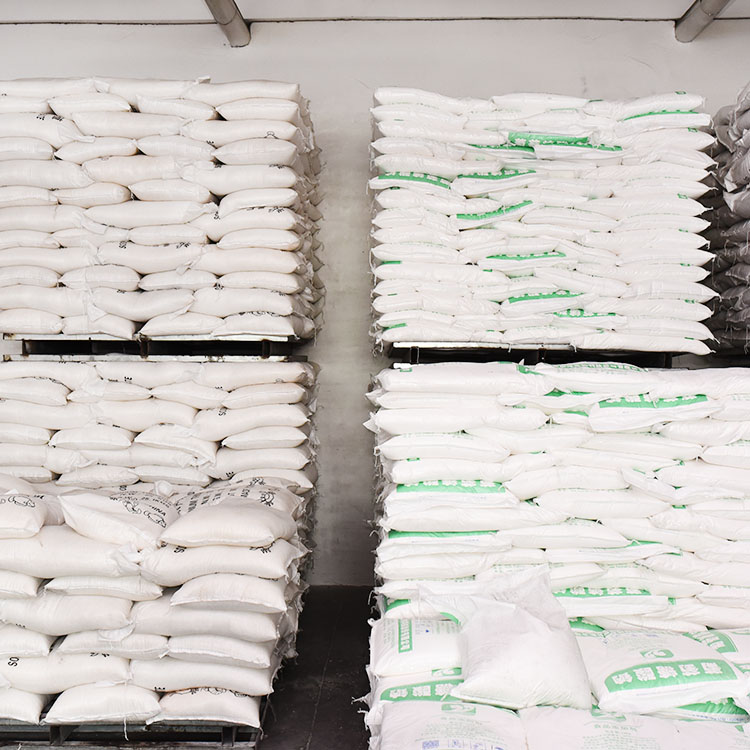
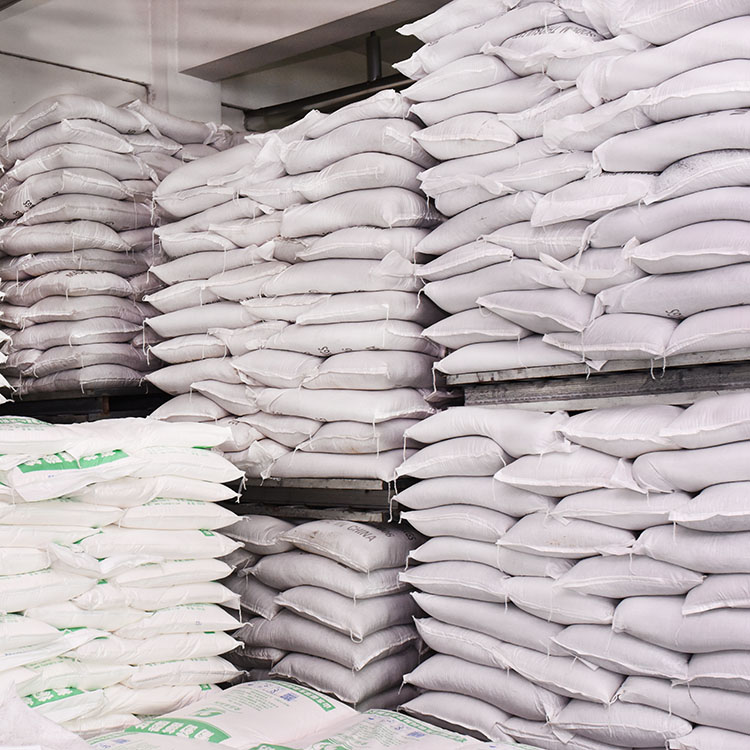
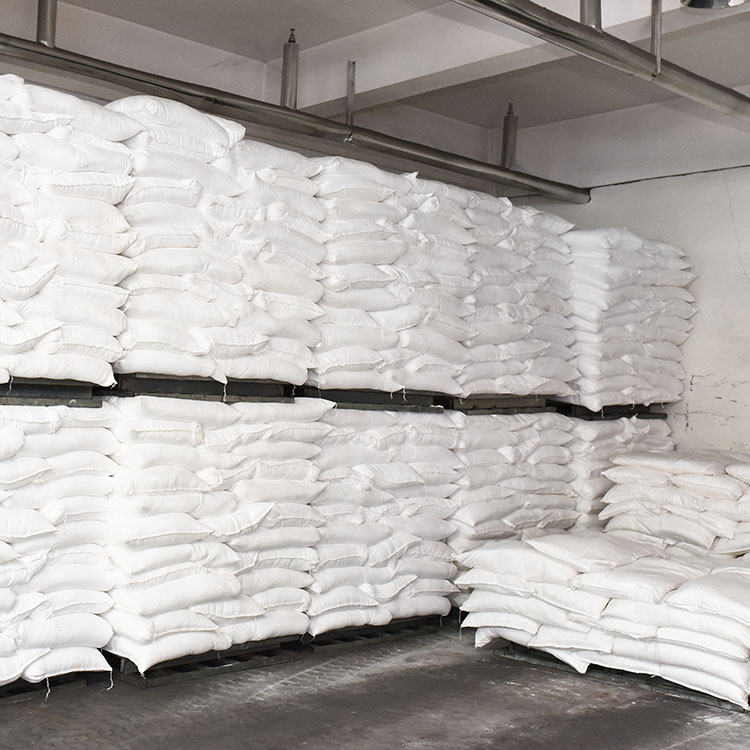
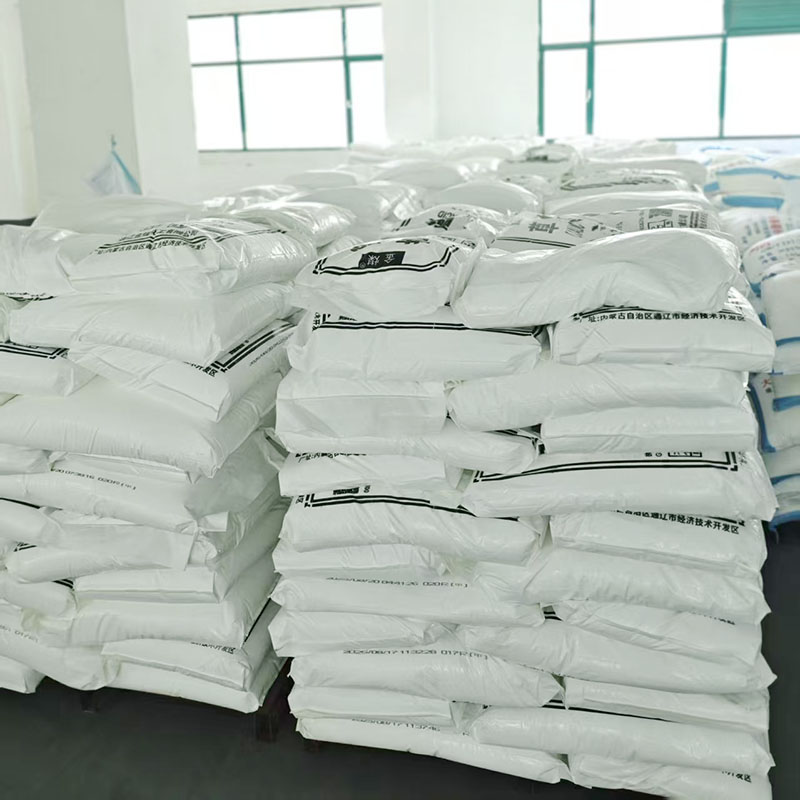
- Use bolsas tejidas o contenedores sellados forrados con película plástica para evitar la absorción de humedad y el apelmazamiento. Al apilar, eleve el fondo del contenedor al menos 10 cm y mantenga una distancia de 20 cm de la pared para evitar daños por humedad.
- No almacene con ácidos fuertes (ácido clorhídrico, ácido sulfúrico, etc.) para evitar reacciones que generen gas dióxido de carbono, causando expansión del empaque o incluso ruptura. Almacene por separado de otros productos químicos.
- El área de almacenamiento debe estar equipada con herramientas básicas para manejar derrames, como escobas y recogedores; no se requiere equipo de emergencia especial.
Requisitos de transporte
- Mantenga los vehículos de transporte limpios y secos. Se pueden colocar lonas impermeables en el compartimiento de carga para evitar la absorción de humedad del producto. Cubra el producto con lonas durante el transporte para evitar la lluvia, la exposición al sol y el polvo.
- Maneje con cuidado durante la carga y descarga para evitar daños al empaque y fugas de polvo; estrictamente prohibido el transporte con ácidos fuertes para evitar reacciones químicas durante el transporte.
- El carbonato de calcio es un producto químico común; el transporte debe seguir las regulaciones generales de transporte de carga, evitando áreas densamente pobladas.
III. Manejo de emergencias por fugas
Fugas pequeñas: Recoja directamente con una escoba seca o una pala en un contenedor sellado, reempaquete y continúe el uso; no se requiere tratamiento especial. El polvo derramado puede barrerse directamente para evitar levantarlo.
Fugas grandes: Establezca una zona de advertencia temporal, prohibiendo la entrada de personal no autorizado; contenga el área de la fuga con tela impermeable, recoja el material derramado y transfiéralo a un contenedor dedicado; use una mascarilla antipolvo durante el manejo para evitar la inhalación de polvo. No lave el material derramado en alcantarillas para evitar que pequeñas cantidades de polvo no perturbado obstruyan las tuberías.
IV. Precauciones de seguridad ambiental
El carbonato de calcio es prácticamente inofensivo para el medio ambiente; pequeñas cantidades que ingresen al agua o al suelo no causarán contaminación, pero grandes cantidades de polvo que ingresen al agua pueden afectar temporalmente la transparencia del agua. Las aguas residuales de producción pueden descargarse después de un tratamiento simple de sedimentación sin neutralización.
Los empaques de carbonato de calcio usados pueden reciclarse o desecharse como residuos sólidos generales; el carbonato de calcio de grado industrial vencido o descartado puede verterse directamente sin dañar el suelo.
Perfil de la Empresa
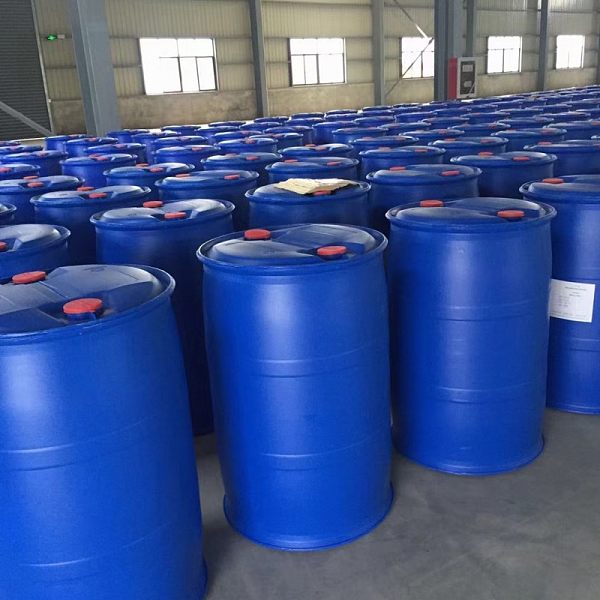
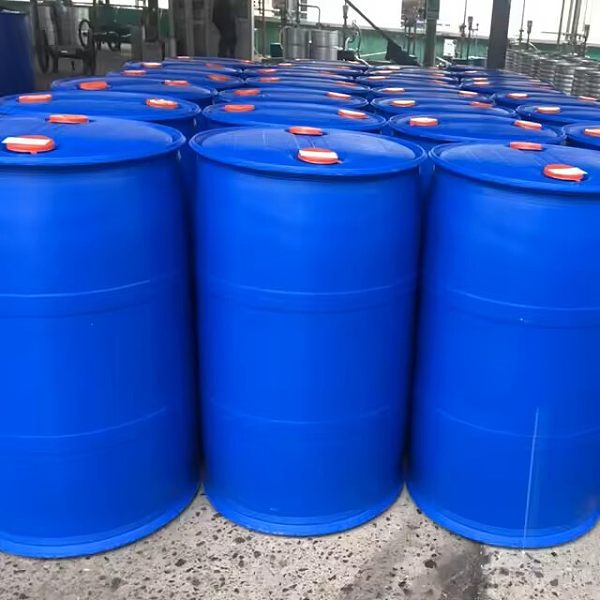
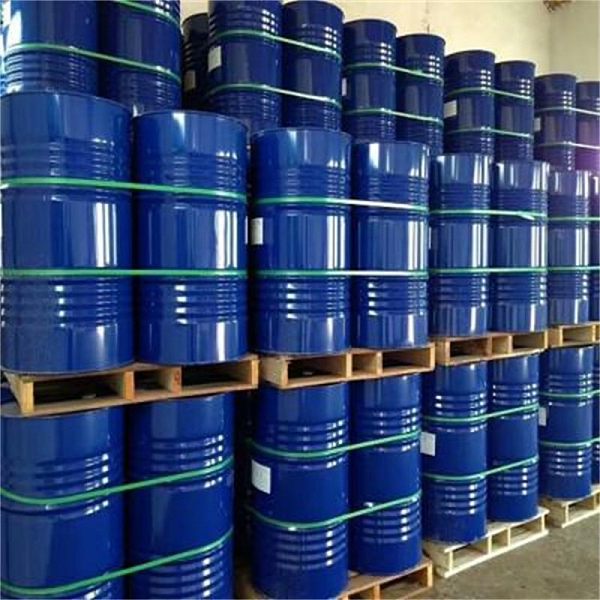
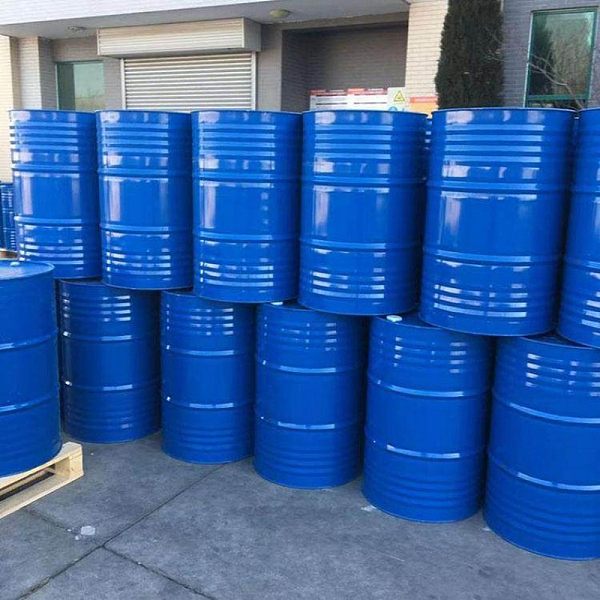
Junteng Chemical es una empresa profesional de comercio de materias primas químicas dedicada a proporcionar servicios de compra integral a los clientes. A través de una estricta gestión de proveedores, cadena de suministro y posventa, la empresa garantiza que la calidad, el transporte y el uso de los productos cumplan con las necesidades del cliente. Además, el equipo técnico de la empresa ofrece soluciones personalizadas y servicios de soporte de forma gratuita.
La empresa tiene proyectos en las industrias farmacéutica, de pesticidas, petroquímica, construcción, aditivos alimentarios, tratamiento de aguas residuales, adhesivos, tintas, pinturas, recubrimientos, procesamiento de plásticos y caucho, materias primas para detergentes, fertilizantes y fábricas textiles, entre otros. Junteng Chemical obtiene productos de calidad estable y confiable, colaborando con empresas nacionales e internacionales como Luxi Group, Weiyuan Chemical, Qilu Petrochemical, Dongying Lihuayi, Yanshan Petrochemical, Sinopec, Shijiazhuang Refinery, Qingdao Petrochemical, Sailboat, Dow Chemical, BASF, Corea, Taiwán y Arabia Saudita. Nuestro suministro estable, calidad superior de productos y logística madura nos han valido una amplia clientela. Esperamos colaborar con todos ustedes para un futuro mutuamente beneficioso.
Ventajas de la Empresa

Plataforma de
Compra Integral
Integramos recursos en todas las categorías de productos, incluyendo solventes orgánicos, resinas y cauchos, y químicos inorgánicos, y controlamos estrictamente a los proveedores, cadenas de suministro y procesos de posventa para garantizar calidad estable, transporte eficiente y uso sin preocupaciones, simplificando su proceso de compra.

Equipo Profesional con Empoderamiento Técnico
Contamos con un equipo técnico experimentado que proporciona soluciones personalizadas gratuitas y soporte técnico profesional a clientes en diversas industrias, como farmacéutica, petroquímica, recubrimientos y tintas, y tratamiento de aguas residuales, ayudándoles a resolver problemas y mejorar la eficiencia.

Seguridad de la Cadena de Suministro Global
Trabajamos con gigantes químicos nacionales y extranjeros como Luxi Group, Qilu Petrochemical, Sinopec, BASF de Alemania y Dow de Estados Unidos para establecer una red de suministro de alta calidad estable y confiable y un sistema logístico maduro que garantice la entrega oportuna y segura de
productos.

Concepto de Cooperación Profunda Ganar-Ganar
Adhiriéndonos al concepto de "integridad, acción inmediata, profesionalismo, innovación y ganar-ganar" y tomando como misión "el éxito del cliente y el altruismo", nos comprometemos a establecer asociaciones estratégicas a largo plazo y crear un futuro mejor a través de productos y servicios excelentes.
Productos Relacionados
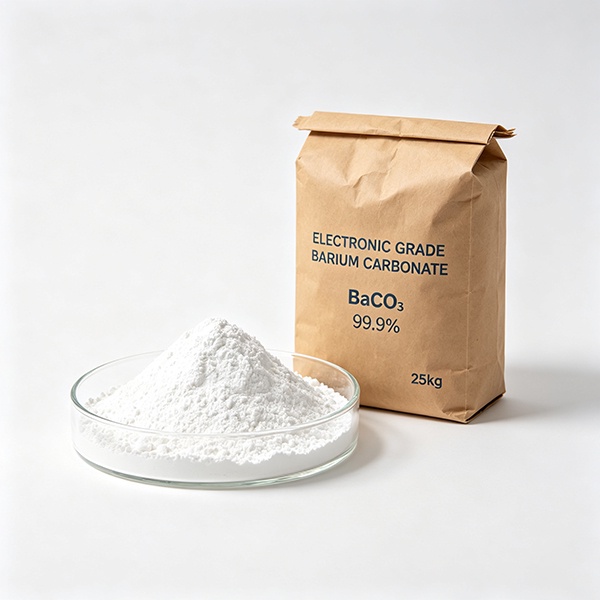
 Carbonato de bario de grado electrónico, carbonato de bario granular
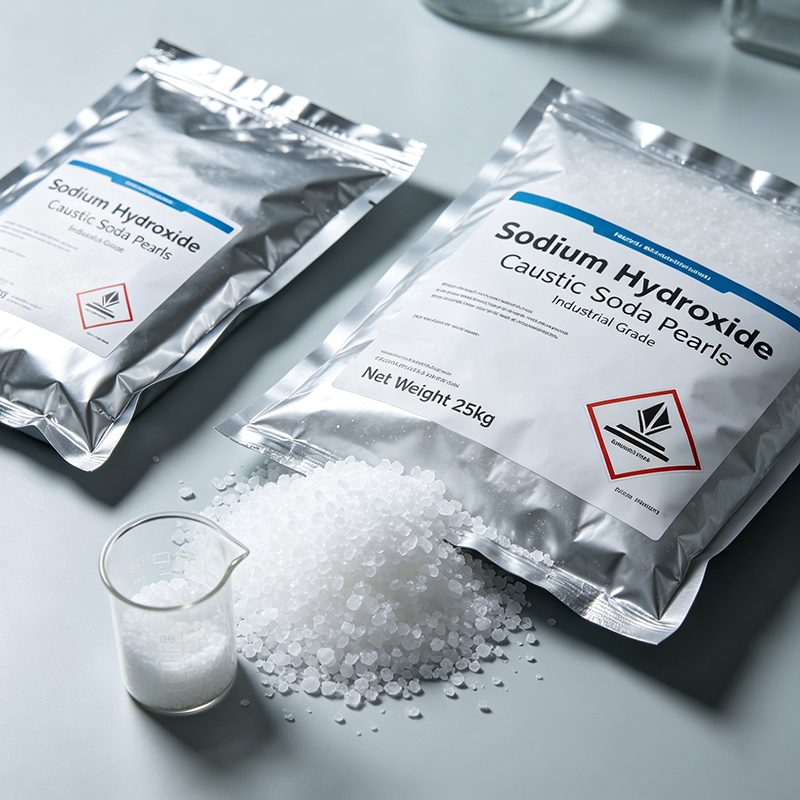
") Hidróxido de sodio (sosa cáustica en forma de gránulos, escamas o líquida—32%/48%)
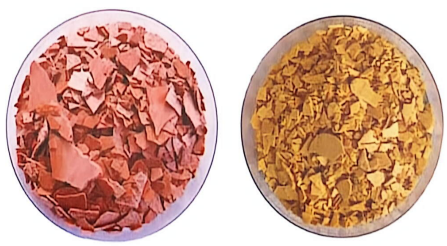
Hidróxido de sodio (sosa cáustica en forma de gránulos, escamas o líquida—32%/48%) sulfuro de sodio
") Acrilamida 98% (Grado Microbiológico)
Acrilamida 98% (Grado Microbiológico)") Carbonato de sodio (ligero, denso, grado alimenticio)
Carbonato de sodio (ligero, denso, grado alimenticio) Diacetato de sodio
 Triacetato de sodio trihidratado
 Sulfato de Zinc
 Sulfato ferroso heptahidratado Sulfato ferroso anhidro
 Hidrosulfuro de sodio
 Sulfuro de Sodio
 Carbonato de calcio
 Hidróxido de calcio 90–99.5%
 Óxido de calcio
 Nitrato cúprico
") Metóxido de sodio (SMO)
Metóxido de sodio (SMO)") Etóxido de sodio (SEO)
Etóxido de sodio (SEO)") Terbutóxido de sodio (STB)
Terbutóxido de sodio (STB)") Tripolifosfato de sodio (STPP)
Tripolifosfato de sodio (STPP)![]() Sodium Hexametaphosphate(SHMP)
Sodium Hexametaphosphate(SHMP)") Fosfato trisódico (TSP)
Fosfato trisódico (TSP) Sulfato de sodio
 2-Clorofenilacetonitrilo
 Ácido o-Tolilacético
 Sulfito sódico
![]() Tiosulfato de sodio
Tiosulfato de sodio Nitrato férrico nonahidratado
 Silicato de potasio
 metasilicato de litio
 Persulfato de sodio
 Persulfato de potasio
 Salicilato
 Salicilato
 Nitrito de sodio
 Nitrito de calcio
 Nitrato de aluminio
 Nitrito de calcio



Mensaje
Dejar un mensaje
Si está interesado en nuestros productos y desea conocer más detalles, por favor déjenos un mensaje aquí, le responderemos lo antes posible.